
Grounded in Indigenous Wisdom and the Dual Process Model
Grief is not a problem to be solved. It is a relationship to be honoured. In my guest lecturing on “Sorry Business: First Nations Grief and Bereavement” and through my broader work in trauma-informed and culturally integrated healing , I speak often about this: for First Nations peoples, Sorry Business is not simply an event. It is a living, relational process, and it is circular, not linear.
Understanding Sorry Business Through a First Nations Lens
Sorry Business holds spiritual, cultural, relational and communal meaning. It is about:
• Kinship obligations
• Connection to Country
• Cultural protocols
• Collective mourning
• Spiritual transition
• Community responsibility
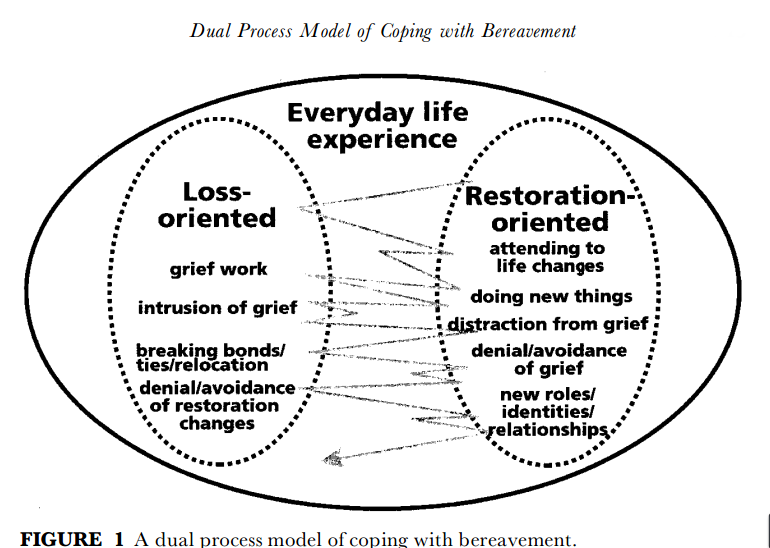
Grief is not isolated to the individual. It ripples across family systems, across community, across generations. In Western models, grief is often framed as stages. But in First Nations ways of knowing, grief moves like water. It circles. It revisits. It sits. It flows. This aligns deeply with the Dual Process Model of coping with bereavement, the movement between loss-oriented and restoration-oriented processes. But our understanding expands this beyond psychology into culture, spirit and community.
Loss-Oriented Processes in Sorry Business
Loss-oriented processes involve:
• Sitting with the pain
• Storying the person
• Ceremony and cultural protocol
• Crying, remembering, singing
• Returning to Country
• Yarning about what has been lost
This is grief work. In First Nations communities, this may include:
• Collective gatherings
• Extended time away from “normal life”
• Honouring the name, image and spirit of the person – where that is outward expressions or through silence
• Deep listening, Ngardi Guwanda
We do not rush this. We do not pathologise tears. We do not ask people to “move on”. Because connection does not end at death.
Restoration-Oriented Processes in Sorry Business
And yet, we also continue living. The Dual Process Model reminds us that healthy grief requires oscillation. Movement between confronting the loss and rebuilding life, which includes the person who has passed.
In First Nations contexts, restoration-oriented processes may include:
- Taking up new family or cultural roles
- Stepping into Eldership or leadership responsibilities
- Strengthening connection to community
- Honouring and developing new relationship with the person who has physically left.
- Supporting others in their grief
- Returning to work or study
- Reconnecting to your inner fire
This is not avoidance. It is survival. It is resilience embedded in culture. We hold both.
The Cultural Load of Grief
One of the things I yarn about is the cumulative nature of grief in First Nations communities, layered grief, intergenerational trauma, unresolved losses due to colonisation, dislocation, systemic violence. Grief is not just about one death. It can include:
- Loss of language
- Loss of land
- Loss of cultural practice
- Loss of safety
- Loss of identity
- Loss of connection
- Loss of kin
So when someone is in Sorry Business, they may be carrying far more than the immediate bereavement. The “intrusion of grief” described in the Dual Process Model can be intensified by historical and collective memory. This is why culturally safe practice is not optional, it is essential .
Deep Listening as Grief Practice
At the heart of this approach is Ngardi Guwanda, deep listening, thinking and feeling strongly. We do not fix. We do not analyse from a distance. We sit alongside. We hold.
We honour:
- Silence
- Story
- Tears
- Anger
- Confusion
- Your journey, in your time
- Laughter that unexpectedly surfaces
Grief can hold humour. Grief can hold strength. Grief can hold pride, and restoration does not mean forgetting.
Oscillation as Cultural Strength
The Dual Process Model speaks about moving between loss and restoration. In First Nations worldviews, this oscillation is deeply cultural. Ceremony and gathering (loss-oriented). Then cooking together, yarning, and caring for children (restoration-oriented). Then crying again. Then planning the next community event. It is not either/or. It is both/and. This circular movement reflects Indigenous knowledge systems, healing is not linear. It returns to Country, to story, to kinship.
Healing on Our Own Terms
In grief, inner strength may feel dim, but it is still there. A First Nations grief approach empowers individuals and communities to:
- Honour the loss deeply and collectively.
- Allow oscillation without judgement.
- Reconnect to Country as healer.
- Step into new roles when ready, not when pressured.
- Understand that grief and growth can coexist.
Because we hold our own answers.
Final Reflections
Sorry Business teaches us that grief is relational, communal, spiritual and ongoing. The Dual Process Model helps articulate the movement between pain and rebuilding. But Indigenous wisdom reminds us that both occur within culture, within Country, within community. Grief is not weakness. It is testimony to love. And healing does not mean forgetting. It means carrying forward, together.
yarn soon,
B xx