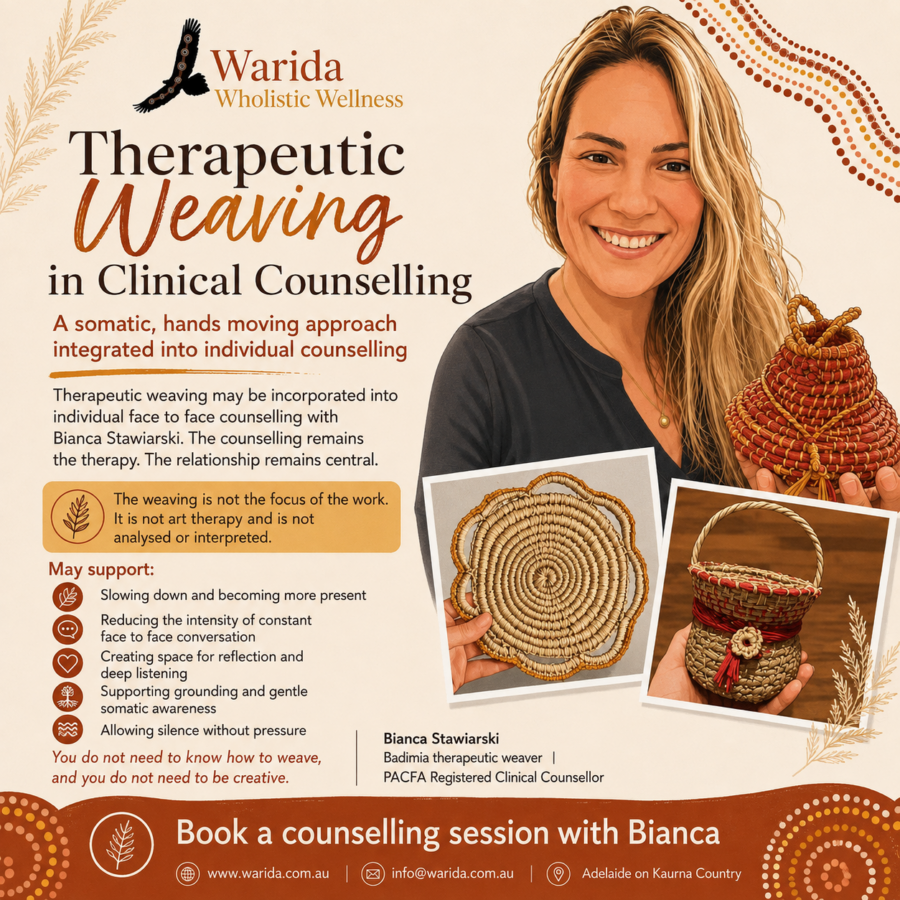
Therapeutic Weaving in Clinical Counselling
A Somatic, hands moving approach integrated into individual counselling
I am Bianca Stawiarski, a Badimia (Yamatji) and Ukrainian woman, PACFA Registered Clinical Counsellor and Founder of Warida Wholistic Wellness. I also describe myself as a Badimia therapeutic weaver.
For me, therapeutic weaving is not about making art, producing a finished object or interpreting what someone creates. It is one way I may support the therapeutic process within individual face to face counselling.
The counselling remains the therapy and the relationship remains central. The weaving simply gives the hands something gentle and repetitive to do while we sit together.
What is therapeutic weaving?
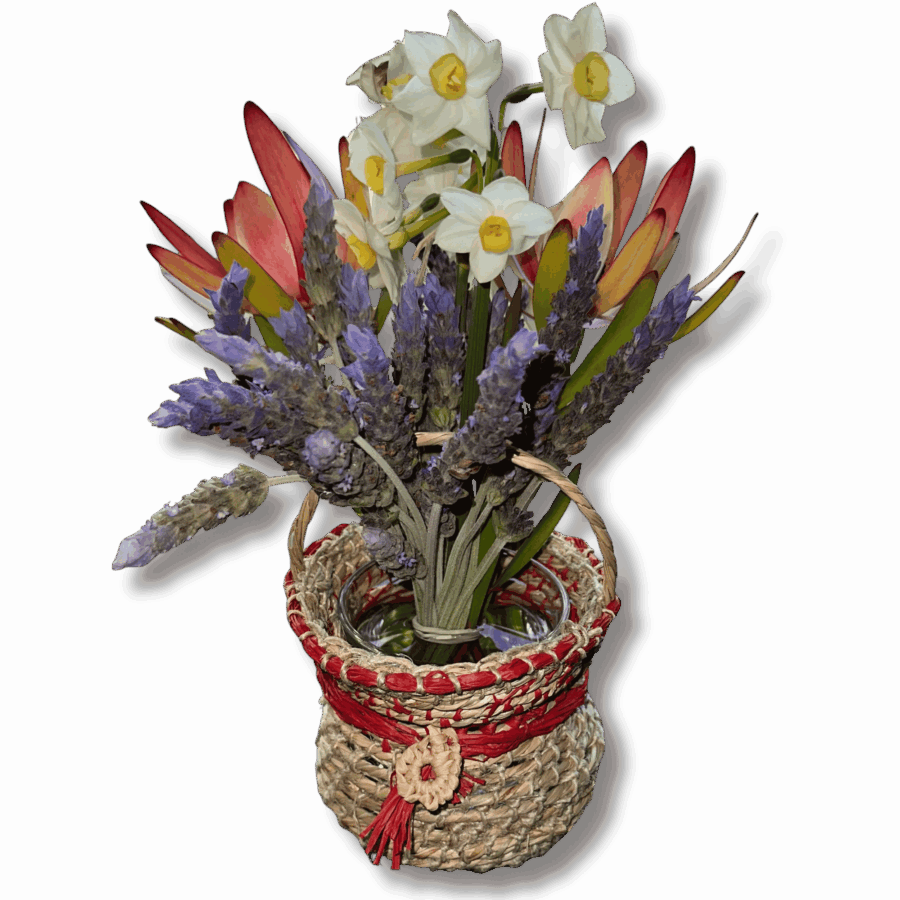
Therapeutic weaving, as I use the term in my clinical practice, is the integration of simple, repetitive weaving movements into an individual counselling session. There is no expectation to know how to weave, and there is no requirement to create something beautiful or complete. I do not analyse the basket, interpret colours or patterns, or assign psychological meaning to what someone creates. The woven object is not the focus. Instead, the process can offer another way of being in the counselling room. Hands can move. Eye contact does not have to be constant. Silence can feel less pressured. Conversation can find its own pace. For some people, that gentle physical rhythm may help them slow down, feel more grounded and create enough space for thoughts, emotions or stories to emerge without being forced.
Sometimes words come more easily when we are not trying so hard to find them.
A Somatic addition to counselling
My use of therapeutic weaving is different from art therapy. I am not interested in interpreting the finished object. I am interested in what may happen while the hands are moving. The texture of fibres, the repetitive hand movements, the sensory experience, and the slowing of pace. This is the opportunity to look down at the hands rather than maintain constant face to face conversation. In turn, the moments of quiet can exist without the feeling of needing to fill them. Therapeutic weaving is one possible adjunct somatic modality within my broader culturally integrated, trauma informed and relational counselling practice. It will not suit everyone, and it is never something a person has to do.
Why Weaving Entered my Clinical Practice
Weaving first became important to me through my own need for decompression. As a counsellor, I have spent many years sitting alongside people carrying trauma, grief, loss, pain and experiences that can be hard to speak about. Deep listening is part of how I work, but I also began recognising that I needed a way to transition out of that deep clinical space and release what I had been holding after listening to other people’s stories.
I began weaving intuitively. I noticed what happened when my hands were occupied with something repetitive and tactile. My breathing slowed and my attention shifted. I could sit without needing to solve anything for myself. The movement gave my body somewhere to place some of the energy I was carrying. Over time, weaving became part of my own decompression practice. That experience eventually led me to consider whether the same gentle, hands moving process might sometimes have a place within counselling. I began to carefully integrate it into some face to face individual sessions when the person was interested and when it made sense therapeutically.
Hands moving, conversation finding its own pace
Traditional counselling often asks people to sit opposite another person to talk. For many people that works well. For others, particularly when talking about painful, complex or deeply personal experiences, that intensity can make words harder to reach. Sometimes having something simple to do with the hands changes the feeling of the space. A person can weave and talk. They can weave and think. They can stop. They can sit quietly. They can put the weaving down completely. There is no performance and there is no right way to participate. My role remains what it always is in counselling: to listen deeply, remain present, notice what is happening in relationship and create a space where the person can explore their own experiences on their own terms, because each of us has our own answers. Sometimes creating a little more space around the conversation can help us to hear them.
How weaving may be used within Bianca's practice
Therapeutic weaving may be incorporated into individual face to face counselling sessions when it feels appropriate and useful for that person.
It may support:
- Slowing down and becoming more present
- Reducing the intensity of constant face to face conversation
- Creating space for reflection and deep listening
- Supporting gentle somatic awareness through repetitive hand movements
- Allowing silence without pressure
- Helping conversations about grief, trauma, identity, boundaries and reconnection unfold at their own pace
- Reflective clinical or cultural supervision where an embodied, slower process may be helpful
The weaving is not the focus of the work. Bianca does not use weaving to “diagnose”, interpret or assign meaning to what someone creates. The woven object is secondary to the therapeutic relationship, the conversation and the person’s own process. Bianca’s approach is culturally integrated, trauma informed and relational, creating a grounded space where people can slow down, listen deeply and reconnect with the wisdom they already carry.
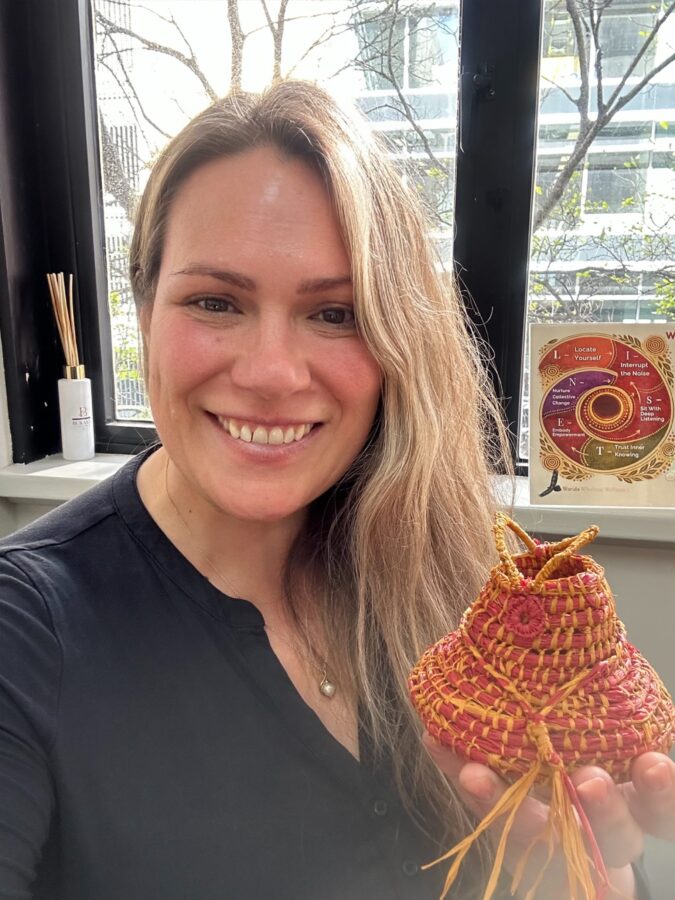
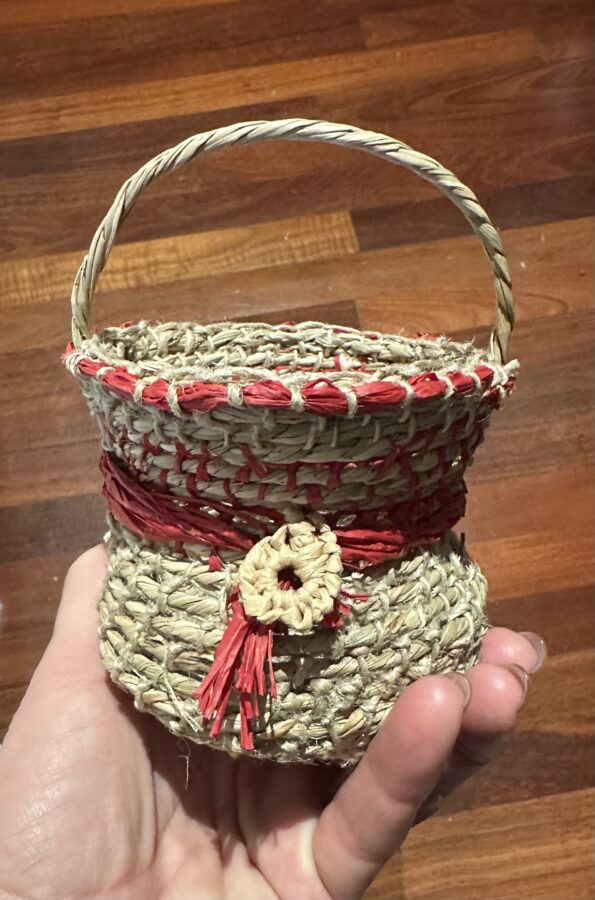
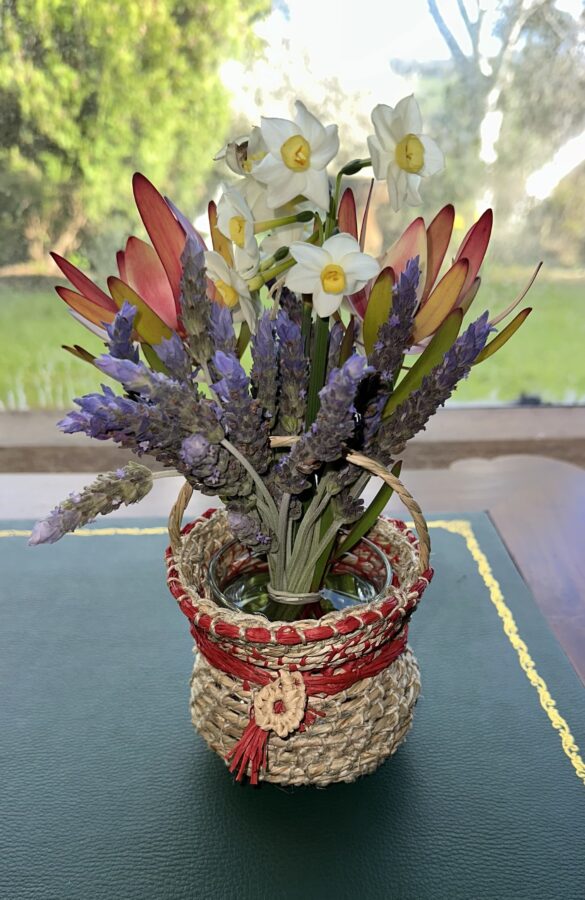
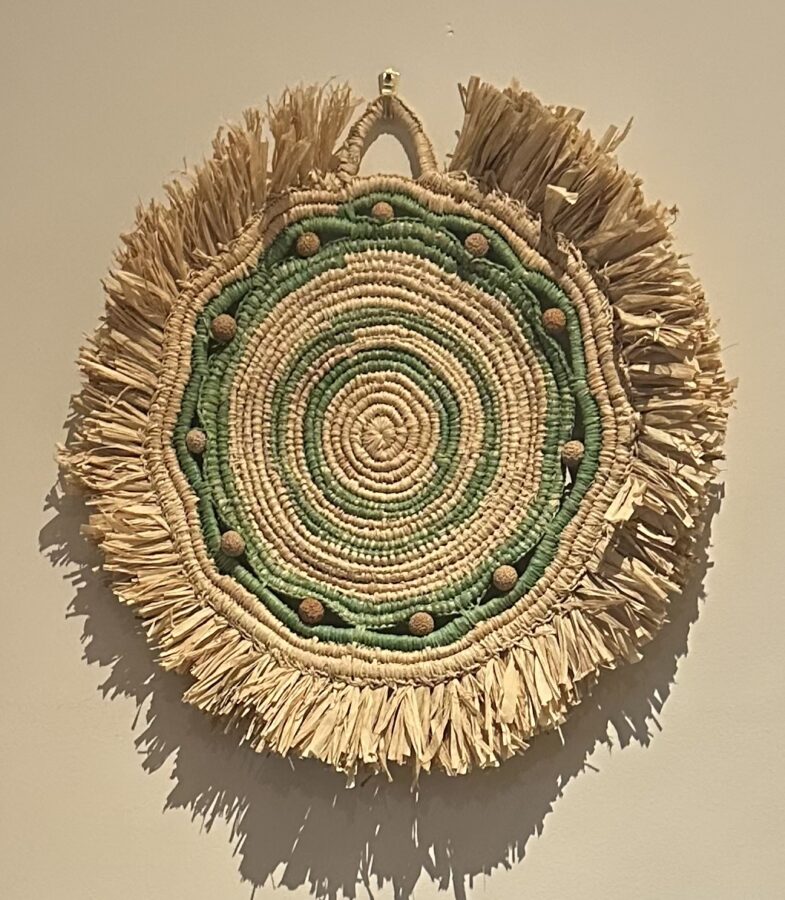
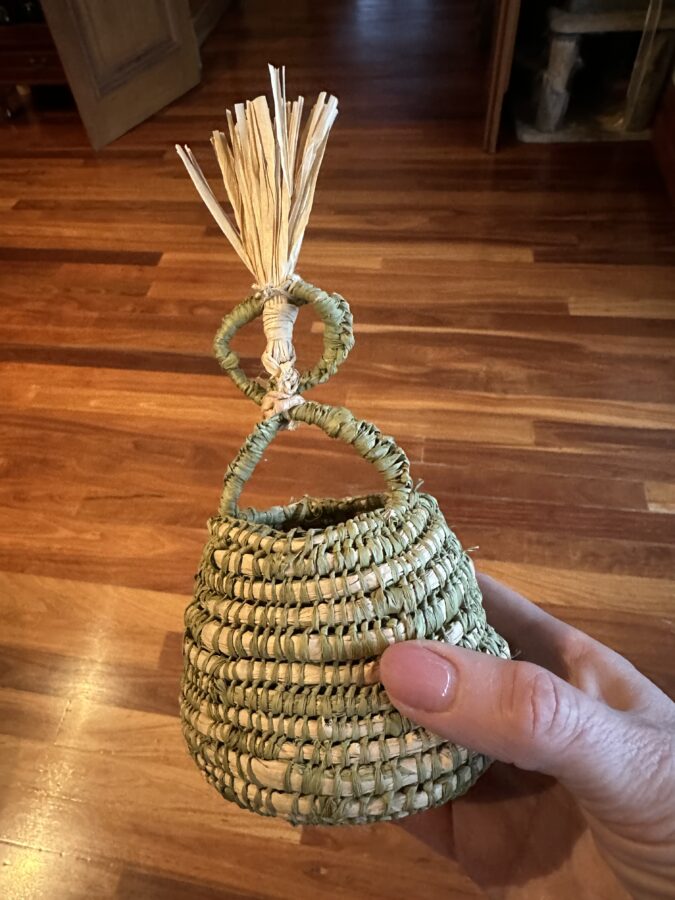
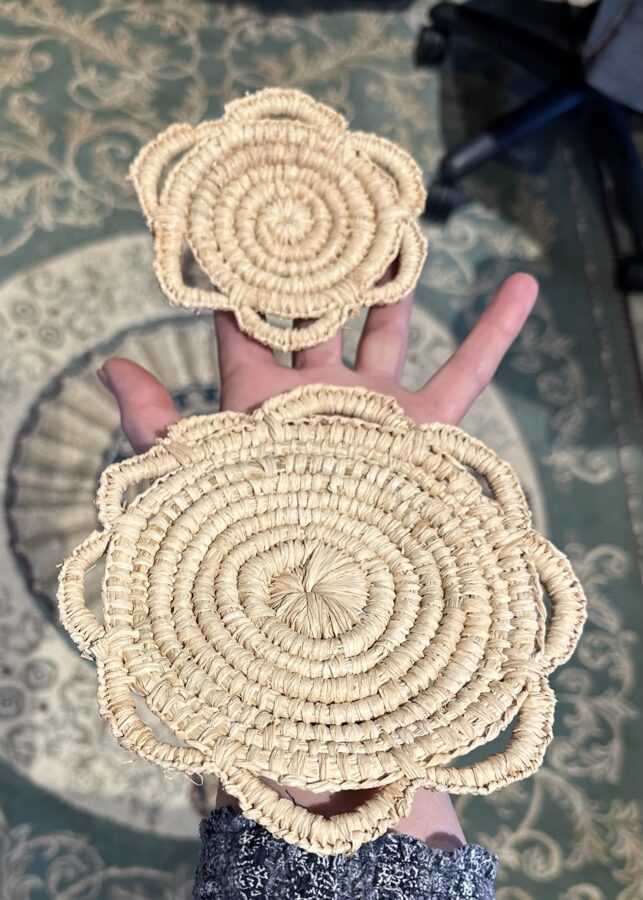
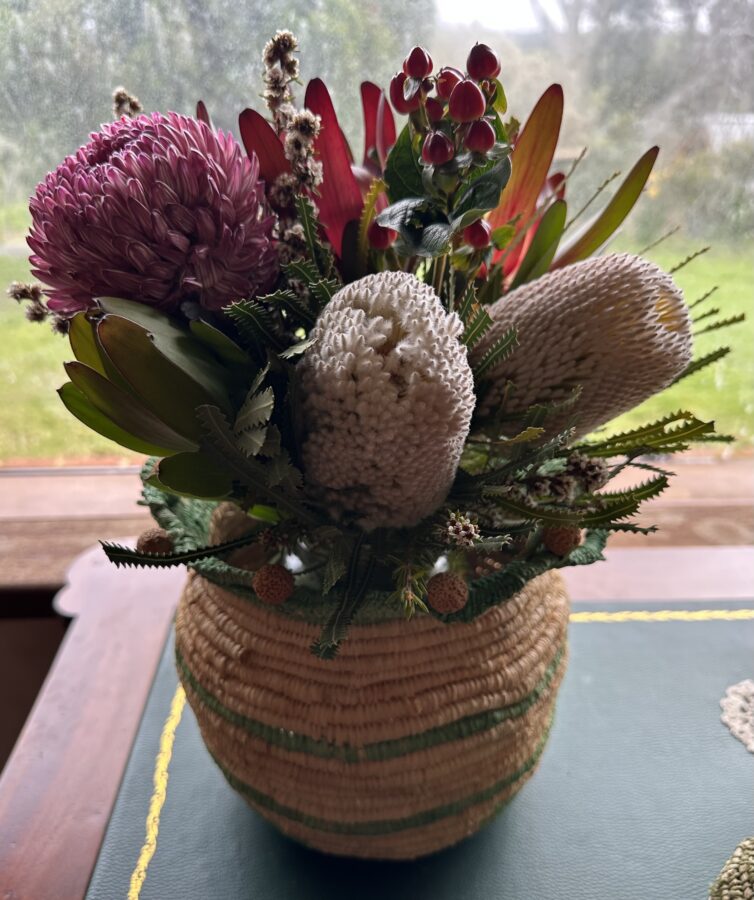
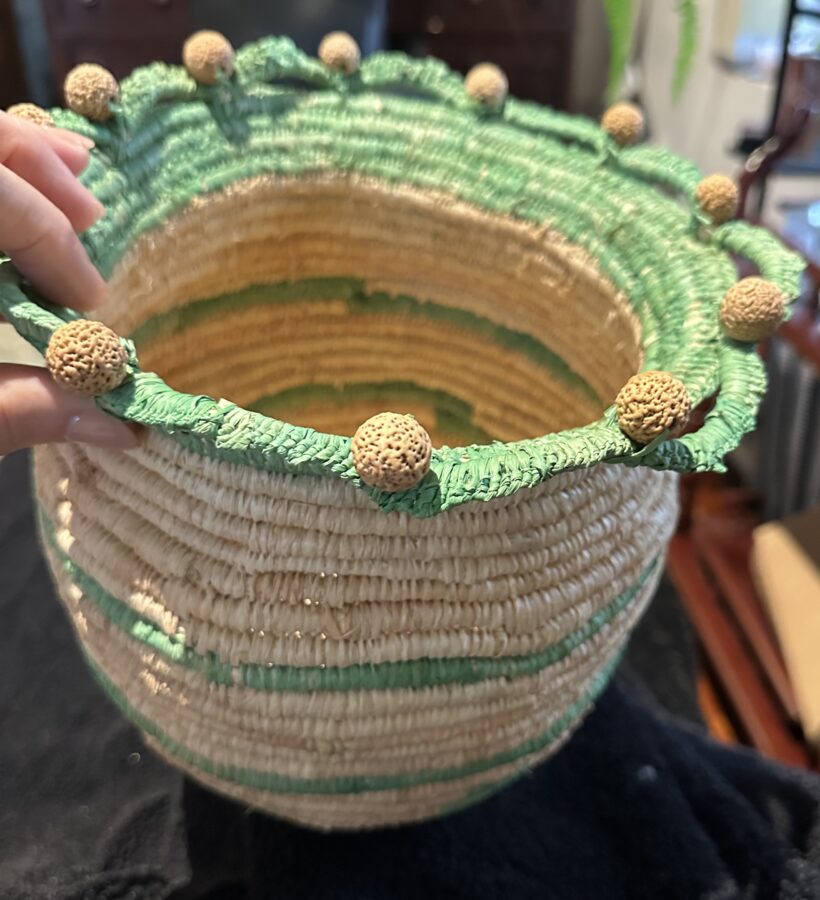
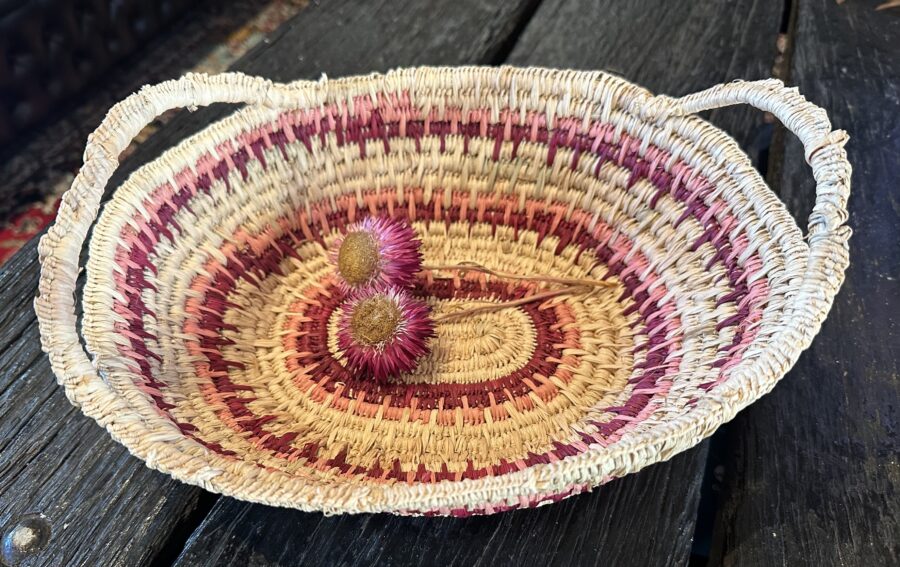
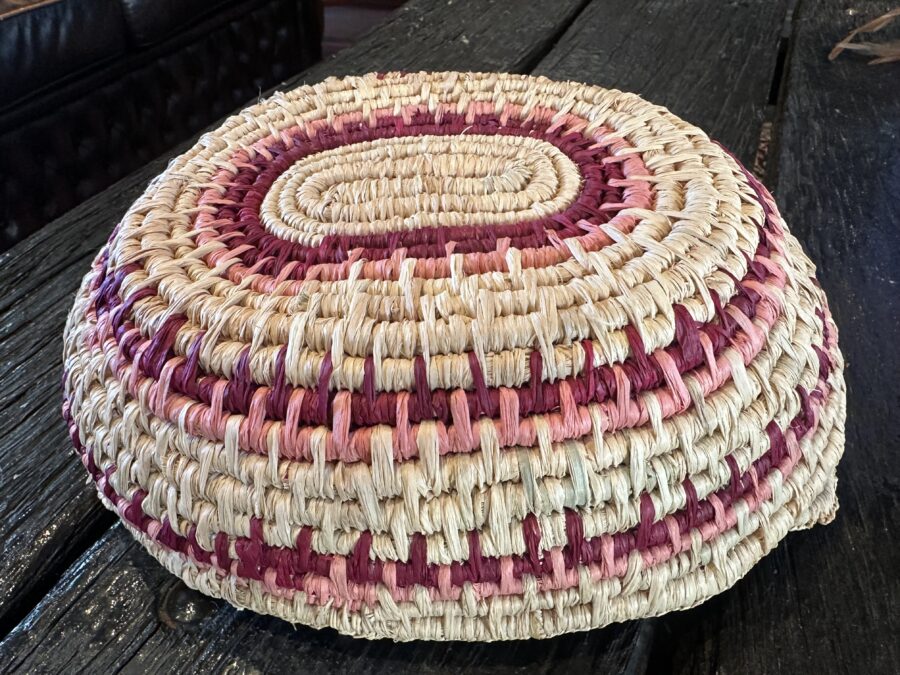
A Badimia (Yamatji) woman who weaves
I describe myself as a Badimia therapeutic weaver because I am a Badimia woman and therapeutic weaving has become part of the way I sometimes practise clinically. That does not mean that every weaving technique or material I use is a traditional Badimia cultural practice.
My weaving practice has been largely self taught, and I remain deeply respectful of cultural authority and of the many First Nations women and communities who hold specific weaving knowledges, practices and artistic traditions across Australia. I do not teach or claim cultural weaving practices that are not mine to share. My use of weaving sits within my own lived experience, cultural positioning and professional scope as a clinical counsellor.
Weaving within the Warida Method
This way of working sits naturally alongside ngardi guwanda (thinking, listening, feeling strongly) and the broader Warida Method. Deep listening is not simply about listening to words. It can involve noticing the body, emotion, silence, relationship, Country, memory and the things that have not yet found language.
Weaving does not create that process. It can sometimes help make room for it. The weaving remains secondary to the relationship between the counsellor and the client, and to the person’s own therapeutic process. Therapeutic weaving sits naturally alongside the Warida Method and its three central anchors:
Deep Listening
Ngardi Guwanda is about listening, thinking and feeling deeply. Within counselling, deep listening creates space to notice what may be happening beneath the surface, including thoughts, emotions, body sensations, silence, memories and experiences that have not yet found words. Therapeutic weaving may sometimes support this process by giving the hands something gentle and repetitive to do while the conversation unfolds. The weaving is not the focus. The focus is creating enough space to slow down, listen deeply and reconnect with what you already know within yourself.
Inner Fire
Inner Fire is about reconnecting with your sense of self, voice, agency and direction. Trauma, grief, burnout and long periods of carrying too much can leave people feeling disconnected from themselves or unsure of what they need. Counselling can create space to begin reconnecting with self trust, boundaries, choice and inner knowing. Therapeutic weaving may help create a slower and less pressured counselling environment, but the change does not come from the weaving. The change belongs to the person.
Ripple Effect
What shifts within an individual counselling space does not always stay there. Greater self awareness, stronger boundaries, clearer communication and deeper connection can begin to influence relationships, families, workplaces and community. This is the Ripple Effect within the Warida Method. Sometimes that ripple begins quietly, with one person feeling more able to trust their own voice, make a different choice or respond differently to what they are carrying.
Therapeutic Weaving within Counselling
Therapeutic weaving may be incorporated into individual face to face counselling sessions with Bianca at Warida Wholistic Wellness on Kaurna Country in Adelaide.
You do not need to know how to weave, and you do not need to be creative. You do not even need to decide before you arrive. We can simply begin where you are. The weaving itself is secondary. The heart of the experience is relationship, connection and creating a space where people feel seen, heard and respected.
Book a counselling Session
You are welcome to book an individual counselling session with Bianca. Therapeutic weaving may be incorporated where it feels appropriate and useful for you, but it is never required. Because sometimes our hands begin the conversation before our words are ready.